
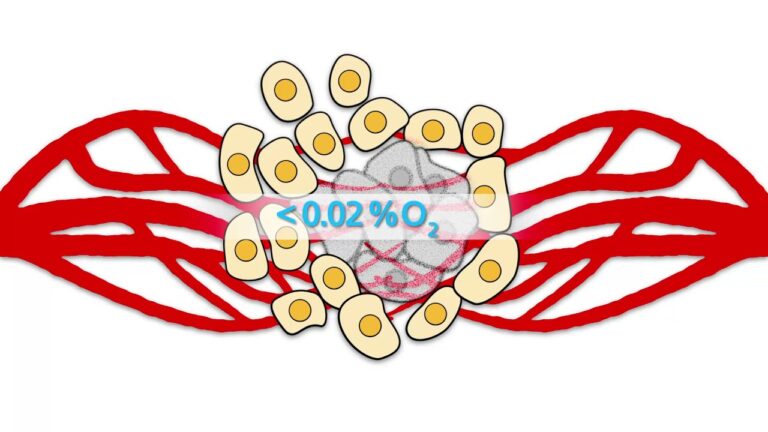
Cells within growing tissues need a constant supply of oxygen. Under physiological conditions, the delivery of oxygen is well regulated; under pathological conditions, however, the availability of oxygen may be limited. For example, severe hypoxia may develop in rapidly growing tumors. In...
Layout A (with pagination)
Onkoview 2015
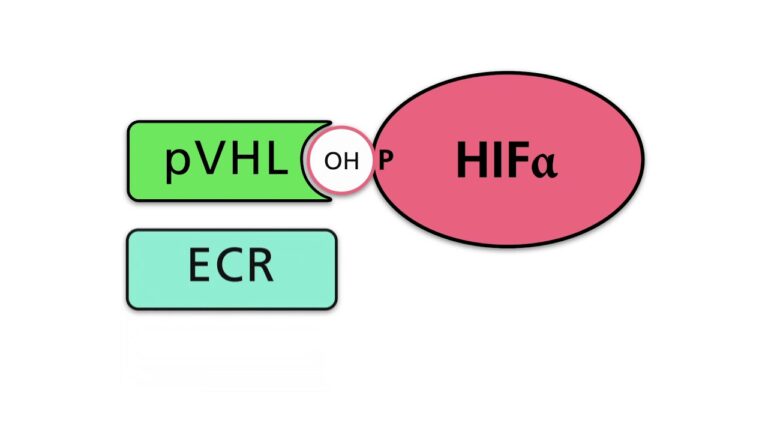
Hypoxia Inducible Factors (HIFs), Part 2: Regulation of HIF under normoxic and hypoxic conditions
The Hypoxia Inducible Factor (HIF) is a transcription factor, which consists of an a and a β subunit. One of three α subunits dimerizes with one of two β subunits. The α subunits are sensitive to oxygen, whereas the β subunits are not. In this video, the domain structure...

The SCLC2A1 gene, which encodes a type 1 glucose transporter (GLUT1), responds to both HIF1α and HIF2α. Thus, both factors increase the cellular uptake of glucose. HIF1α activates the transcription of genes encoding enzymes involved in glycolysis. HIF1α stimulates the synthesis...
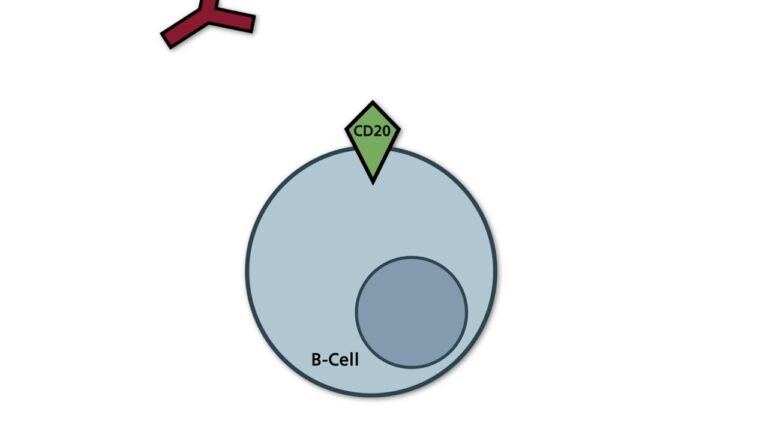
In the context of cancer therapy, antibodies produced outside the patient are used which are directed against secreted factors, membrane receptors or surface antigens of tumor cells. In order to avoid an immune reaction against the foreign protein in the patient, the domains outside the...
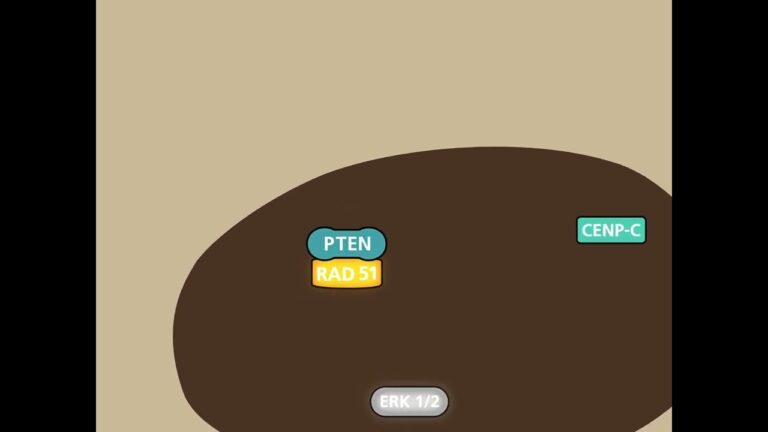
The phosphatase PTEN dephosphorylates PIP3 to PIP2, which can then be hydrolyzed to DAG and IP3. In addition, PTEN performs many other functions by binding to and activating or inactivating several nuclear proteins. Through these effects PTEN activates DNA repair and inhibits...