
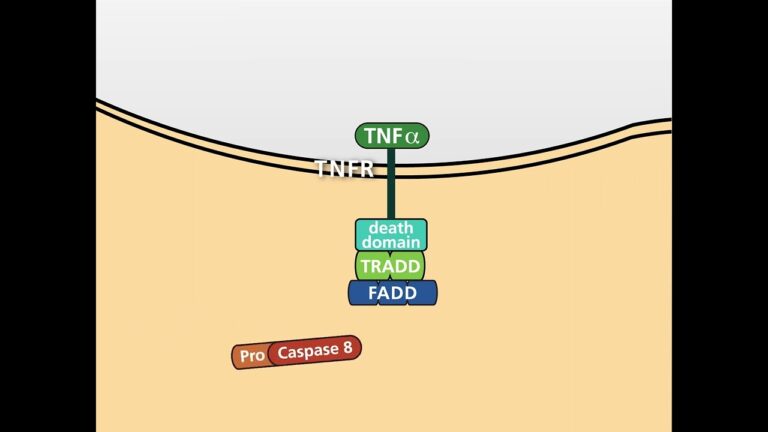
The term apoptosis describes the regulated and gradual death of a cell. In contrast to uncontrolled necrosis, apoptosis is limited to one or a few cells and is not accompanied by inflammation. Through apoptosis, the organism can get rid of cells, which are non-functional or which are...
Layout A (with pagination)
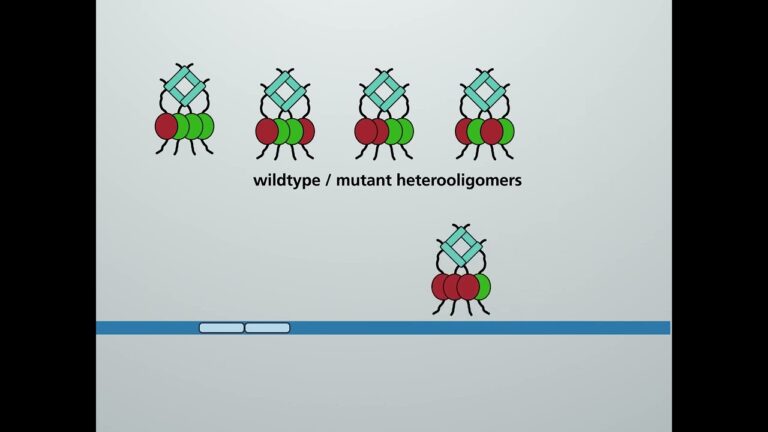
The tumor suppressor protein p53 is a transcription factor. p53 monomers assemble into tetramers that bind to consensus sequences in the DNA and activate the transcription of p53 response genes. P53 target genes are involved in the regulation of proliferation, apoptosis and genomic...
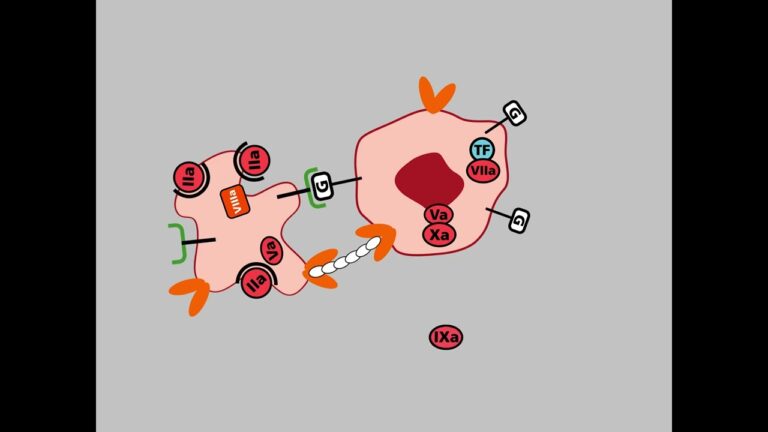
This video shows the formation of a metastatic thrombus. Tissue Factor (TF) in the cell membrane of the tumor cells activates factor VII, which in turn activates factor X in association with factor V, calcium-ions and phospholipids (e.g. from platelets). Active factor X catalyzes the...
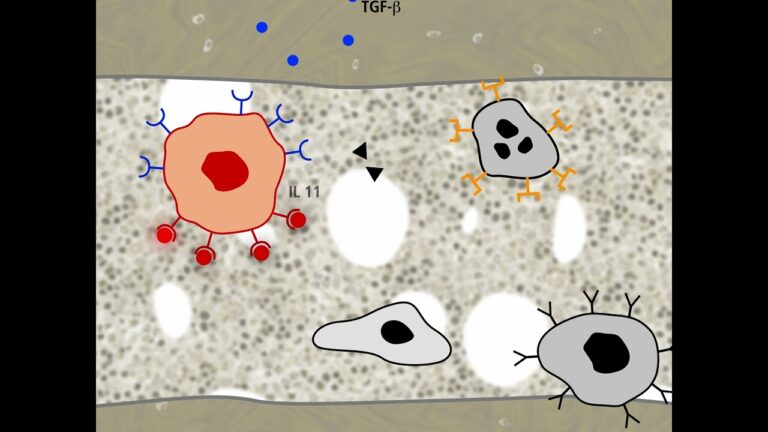
This video describes the bone loss through metastases of breast cancer. The CXCL12 chemokine formed by stromal cells of the bone marrow binds to the CXCR4 receptor of the tumor cells, which migrate into the bone marrow along the chemokine gradient. IL-11 stimulates the synthesis of RANKL...
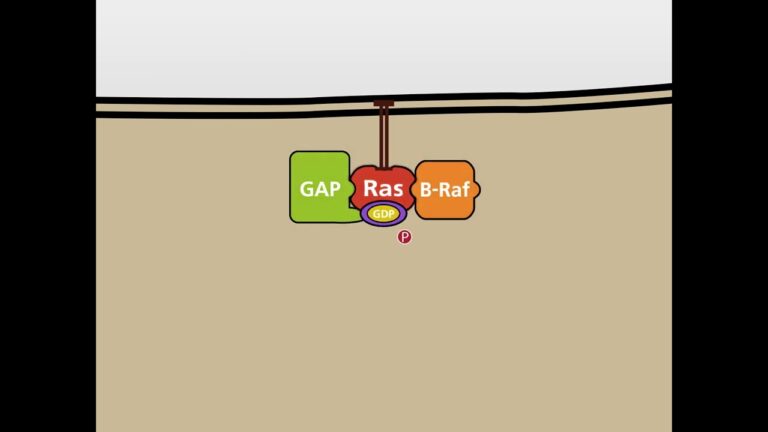
The MAPK pathway is dysregulated in more than 50 % of all human tumors. The pathway starts with the activation of a receptor tyrosine kinase, which transmits the signal to a protein that catalyzes the exchange of the guanine nucleotide GDP for GTP associated with the membrane bound...